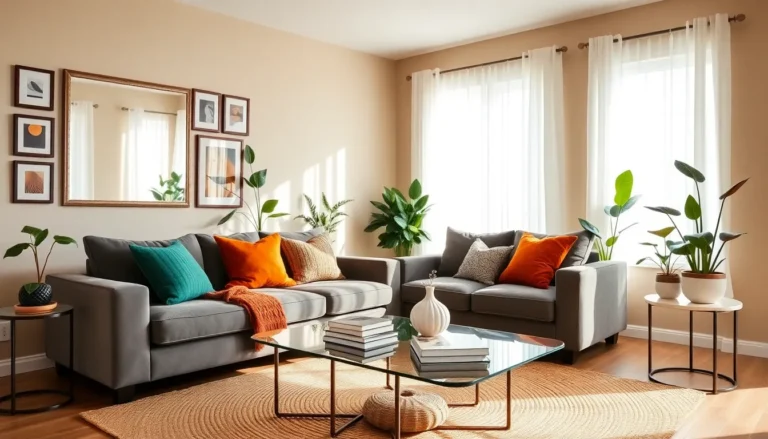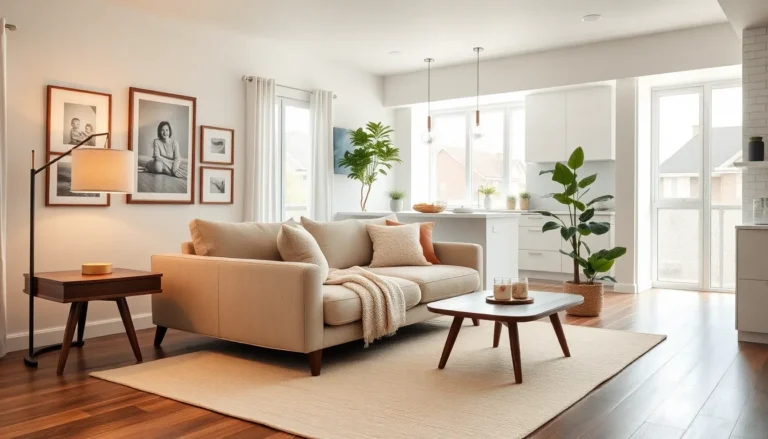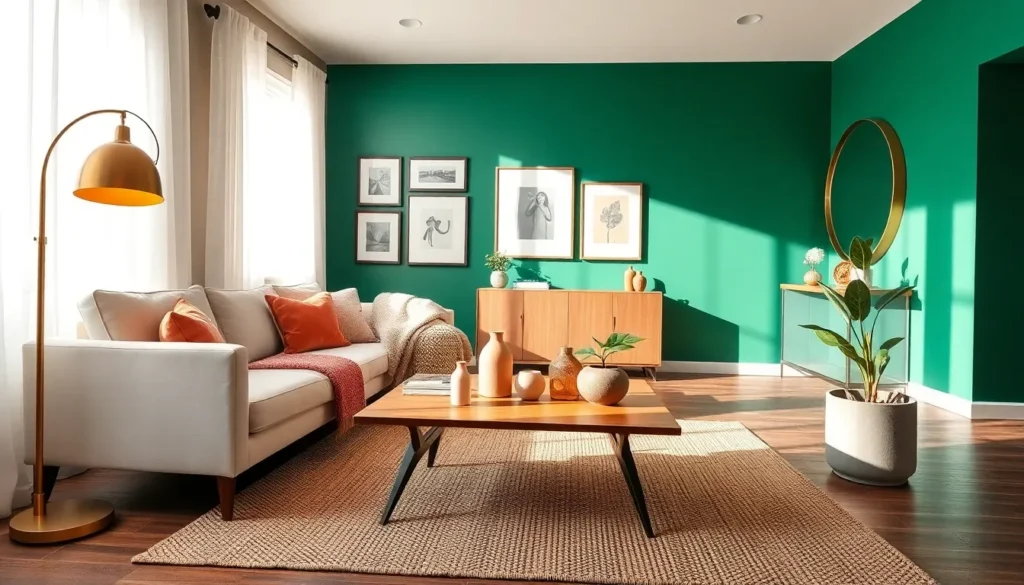
Fresh decorating ideas can completely change how a room looks and feels. Whether someone is moving into a new home or simply wants to refresh their current space, the right approach makes all the difference. A well-decorated room does more than look good, it creates comfort, reflects personality, and improves daily life.
This guide covers practical decorating ideas that work for any budget or skill level. From choosing colors to selecting furniture and accessories, these strategies help transform ordinary rooms into spaces people actually want to spend time in.
Table of Contents
ToggleKey Takeaways
- Start every decorating project with a clear vision and color palette using the 60-30-10 rule for balanced design.
- Statement furniture anchors your room’s style—mix pieces thoughtfully and prioritize proper scale for your space.
- Layer textures and patterns through textiles, natural materials, and wall treatments to add depth and visual interest.
- Use three layers of lighting (ambient, task, and accent) to transform any room’s mood and functionality.
- Personalize your space with meaningful art, accessories, and plants, but edit ruthlessly to avoid clutter.
- These decorating ideas work for any budget—paint, textiles, and smart furniture placement deliver the biggest impact for the lowest cost.
Start With a Clear Vision and Color Palette
Every successful decorating project starts with a plan. Before buying anything, homeowners should decide what mood they want to create. A bedroom might call for calm and relaxation, while a home office needs energy and focus.
Color choice drives the entire design. Neutral tones like beige, gray, and white create a clean foundation that works with almost any style. Bold colors like deep blue, emerald green, or terracotta add drama and personality. The 60-30-10 rule offers a simple formula: use a dominant color for 60% of the space, a secondary color for 30%, and an accent color for 10%.
Paint remains one of the most affordable decorating ideas with the biggest impact. A single accent wall can transform a room in an afternoon. For those hesitant about commitment, peel-and-stick wallpaper provides a temporary option that still delivers visual punch.
Consider how natural light affects color choices. South-facing rooms handle cooler tones well, while north-facing spaces benefit from warmer hues. Testing paint samples on the actual walls, and viewing them at different times of day, prevents expensive mistakes.
Maximize Impact With Statement Furniture
Furniture anchors a room and sets its overall style. A statement piece, a bold sofa, an interesting coffee table, or an eye-catching headboard, gives the eye somewhere to land and establishes the design direction.
Scale matters more than many people realize. Oversized furniture in a small room makes the space feel cramped. Tiny pieces in a large room look lost and disconnected. Measuring twice and buying once saves money and frustration.
Mixing furniture styles creates visual interest. A mid-century modern chair works surprisingly well next to a traditional sofa when they share a common element like wood tone or color. This approach feels collected over time rather than purchased in one store visit.
Functional furniture serves double duty in smaller spaces. Storage ottomans, nesting tables, and beds with built-in drawers maximize square footage without sacrificing style. These practical decorating ideas solve real problems while looking intentional.
Placement affects flow and function. Floating furniture away from walls, even by a few inches, often makes rooms feel larger. Creating conversation areas with seating arrangements encourages interaction and makes large rooms feel more intimate.
Layer Textures and Patterns for Depth
Flat, one-dimensional rooms feel boring. Texture adds the depth that makes spaces feel finished and inviting. Mixing materials like wood, metal, glass, fabric, and natural fibers creates visual richness that photographs can’t fully capture.
Textile layering offers an easy starting point. Throw pillows, blankets, and rugs introduce texture without major investment. A velvet pillow against a linen sofa, or a chunky knit throw on a leather chair, creates contrast that draws people in.
Patterns require more confidence but deliver significant rewards. The key is varying scale, pairing a large floral print with a small geometric pattern prevents visual competition. Keeping patterns in the same color family ties everything together.
Natural elements bring texture that feels organic. Woven baskets, live plants, wooden bowls, and stone accessories connect indoor spaces to the outside world. These decorating ideas work in any style, from modern minimalism to farmhouse casual.
Wall treatments add texture beyond paint. Shiplap, board and batten, textured wallpaper, or even fabric panels create architectural interest. These treatments work especially well in rental spaces where major renovations aren’t possible.
Use Lighting to Set the Mood
Lighting transforms rooms more dramatically than almost any other element. Good lighting design includes three layers: ambient (general room lighting), task (focused light for specific activities), and accent (decorative lighting that highlights features).
Overhead lighting alone creates harsh shadows and unflattering spaces. Table lamps, floor lamps, and wall sconces distribute light throughout a room and create warmth. Dimmer switches add flexibility, allowing the same room to shift from bright workspace to relaxing retreat.
Statement light fixtures function as art. A sculptural pendant over a dining table or an interesting chandelier in an entryway becomes a conversation piece. These decorating ideas make practical items do double duty as focal points.
Natural light deserves attention too. Window treatments affect how much sunlight enters and how the room feels throughout the day. Sheer curtains soften light while maintaining privacy. Blackout options work better in bedrooms where darkness matters.
Bulb temperature affects mood significantly. Warm white bulbs (2700-3000K) create cozy, relaxed atmospheres. Cool white bulbs (3500-4100K) feel more energizing and work well in kitchens and home offices.
Add Personality With Art and Accessories
Accessories and artwork turn a decorated room into a personal space. These finishing touches tell stories and reflect the people who live there.
Art selection should feel personal rather than generic. Family photos, travel souvenirs, or pieces by local artists mean more than mass-produced prints. Gallery walls offer a solution for displaying collections without overwhelming any single wall.
The rule of odd numbers applies to accessory groupings. Three candlesticks, five books, or seven objects on a shelf create more visual interest than even numbers. Varying heights within groupings adds dimension.
Plants bring life to any room, literally. From low-maintenance succulents to dramatic fiddle leaf figs, greenery softens hard edges and improves air quality. For those without green thumbs, high-quality artificial plants now look remarkably real.
Mirrors serve multiple purposes. They reflect light, making rooms feel brighter and larger. A statement mirror above a fireplace or console table adds style while serving a practical function.
Editing matters as much as adding. Too many accessories create clutter rather than character. Decorating ideas should enhance a space, not overwhelm it. When in doubt, step back and remove one or two items.